You’ve been preparing this presentation for weeks. Each slide has been checked and re-checked. You’ve run through the notecards with your key points so often, you could probably recite them. Everything is going exactly how you imagined it… when one of your co-workers stops you mid-sentence with a question.
Immediately you feel your face get hot and your jaw clench in frustration. You’ve lost your train of thought now, and it’s all you can do not to scream. You know your co-worker isn’t being malicious, so why do you feel so much anger when interrupted, and how you can manage it without having a full blown meltdown in front of your entire team?
In this entry you will learn . .
People often feel angry or frustrated when interrupted because interruptions can signal a boundary being crossed, a loss of control, or a dismissal of their ideas. This triggers the brain’s threat response, releasing stress hormones like cortisol and adrenaline.
Defining Anger
According to the American Psychology Association, anger is “an emotion characterized by tension and hostility arising from frustration, real or imagined injury by another, or perceived injustice. It can manifest itself in behaviors designed to remove the object of the anger (e.g., determined action) or behaviors designed merely to express the emotion (e.g., swearing).”

Why Do I Feel Anger When Interrupted?
Anger is a fundamental human emotion that can show up anywhere from mild irritation to full-blown rage. It has a bit of a bad reputation — but anger itself isn’t “bad”. Anger is part of your body’s natural threat response. It’s not all that different from a cat arching its back or a dog letting out a low growl.
When something feels threatening — whether it’s a boundary being crossed, a value being dismissed, or a real danger — your sympathetic nervous system releases adrenaline and cortisol to prepare you for action.
Frustration when interrupted is usually a signal that a personal boundary has been crossed. You might feel that you’ve been disrespected, or your perspective is being dismissed. Sometimes, interruptions can be a way for someone to exert dominance, and your anger is a response to having your authority challenged.
How Your Body and Mind Respond to Frustration When Interrupted
There are physical and mental responses to anger when interrupted. You might experience:
- Tightness in the chest or jaw
- Clenched fists
- Heat rising in the body
- A racing heartbeat
- Looped, repetitive thoughts about being wronged or disrespected
How you experience and express anger is influenced by a lot — family dynamics, cultural norms, even your own nervous system wiring. Some people erupt. Some people shut down. Some people stew quietly for hours.
How to Work With Frustration When Interrupted
In general, most people process anger in one of three ways:
- Expressing: This can look like explosive reactions — yelling, venting, slamming doors — but it can also take the form of assertive communication. Healthy expression means clearly naming how you feel, what’s not okay, and what needs to change. It’s honest without being hurtful.
- Suppressing: Shoving it down, minimizing it, pretending it doesn’t bother you.
- Processing/Calming: Actively working with your body and mind to regulate the charge, understand the trigger, and decide how to respond in alignment with your values.

When frustration gets suppressed, it doesn’t disappear — it turns inward. It can show up as tension, anxiety, high blood pressure, burnout, or even depression. If you don’t express it in the moment, it often leaks out as cynicism, sarcasm, or passive-aggressive behavior. Frustration when interrupted at work can easily turn into a fight with your partner later — or snapping at a friend who had nothing to do with your bad mood.
Anger can also become a mask for hurt, fear, or shame. The more you practice recognizing your emotional landscape, the easier it is to spot when anger is hiding something that feels more vulnerable.
Next time you’re feeling anger when interrupted, try using one of these tools to respond to the feeling instead of reacting to it:
- Take deep, belly breaths in the moment to signal safety to your sympathetic nervous system.
- If you can, go for a brisk walk or run to discharge the adrenaline.
- Use journaling to understand the source of your anger and brainstorm how you might communicate your boundaries in the future.
- Try one of myMentalPal’s practices to understand where your anger is coming from and train your brain for new responses.
It can also help to reframe the interruption. Not everyone who interrupts is trying to be rude or dismissive. In some cultures, interruptions are a way of showing interest or keeping the conversation flowing. Neurodivergence can also influence how different people communicate — and how they experience frustration when interrupted.

How myMentalPal Helps You Train To Handle Anger When Interrupted
Mental fitness gives you more room to choose how you respond to frustration when interrupted. Emotional intelligence means understanding the cause of your anger and using that information in proactive, powerful ways. Instead of reacting in the moment and hurting your relationships or reputation, myMentalPal teaches you how to ride life’s emotional currents without getting swept away.
You don’t have to fear or avoid anger. With the right tools, anger can show you your values, your boundaries, and your worth.
Ready to turn that anger into rocket fuel?
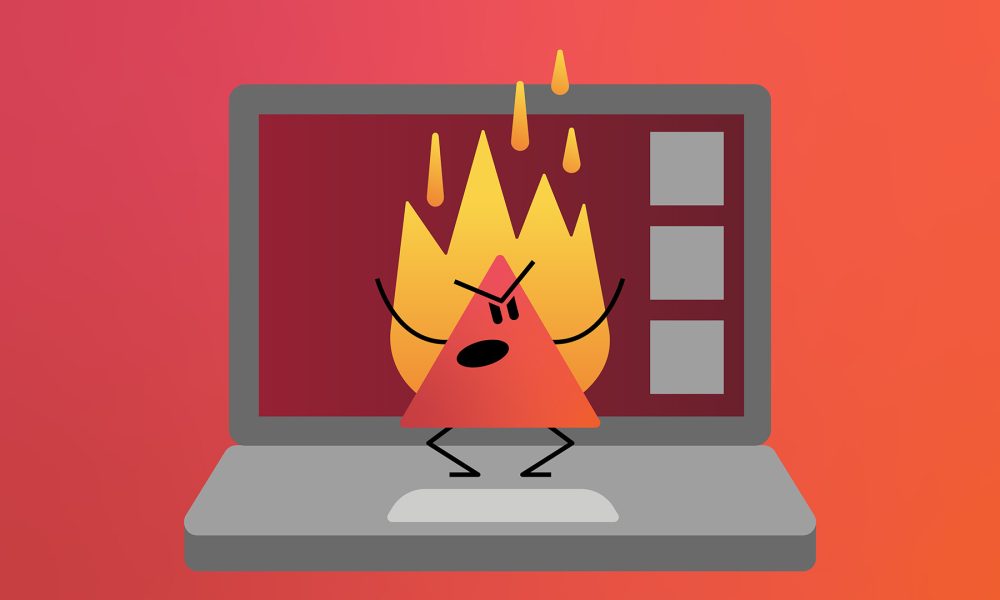
Spikey says: check out these myMentalPal classes to go from hothead to head honcho.
Key Takeaways
- Anger when interrupted is often triggered by your brain’s natural threat response, releasing stress hormones like cortisol and adrenaline.
- Frustration when interrupted can signal a crossed boundary, a loss of control, or feeling that your perspective isn’t valued.
- Physical signs like jaw clenching, chest tightness, or a racing heartbeat are early alerts that you’re reacting to the disruption.
- You can manage anger in the moment with deep breathing, short walks, or reframing the interruption as curiosity rather than disrespect.
- Building mental fitness through myMentalPal helps you respond to interruptions calmly, protect your boundaries, and maintain emotional intelligence under pressure.
FAQs about anger when interrupted
1. What causes anger when interrupted?
When someone cuts you off, it can feel like a boundary is being crossed or your ideas aren’t valued—this triggers your brain’s threat response, releasing cortisol and adrenaline and amplifying frustration when interrupted.
2. Is it normal to feel frustrated when interrupted during a presentation?
Absolutely. Losing your train of thought in front of others is a common trigger. That heat in your face and clench in your jaw is your sympathetic nervous system reacting to the perceived disrespect or loss of control.
3. How can I calm myself in the moment when someone interrupts me?
Pause and take a few deep, belly breaths to signal safety to your nervous system. A quick walk or sensation-based distraction can help release adrenaline and ease anger when interrupted.
4. How do I express my frustration assertively without overreacting?
Use calm, clear “I” statements: “I’d like to finish my point—I’ll be happy to hear your question right afterward.” It’s honest, boundary-setting communication that avoids emotional escalation.