Most people don’t struggle with starting self-growth, they struggle with returning to it day after day.
That’s the real challenge behind meditation, microlearning, and mental fitness products. Users often begin with strong motivation, but motivation is temporary. Habits are what create long-term change.
When we started designing the medal system for MyMentalPal, we weren’t trying to add “gamification” for entertainment. We were trying to solve a behavioral problem:
How do we help users consistently come back without creating guilt, pressure, or burnout?
In this entry you will learn . .
This led us to redesign progression around one core
principle:Reward consistency, not perfection.
The Problem With Most Habit Systems
Many productivity and wellness apps unintentionally create anxiety around consistency.
Users miss one day, lose progress, and suddenly feel like they failed. Instead of encouraging recovery, the system punishes interruption.
This creates a fragile relationship between users and habit-building.

We noticed three major issues in existing systems:
• Progress felt invisible
• Missing a day felt emotionally expensive
• Rewards focused more on streak preservation than actual learning
In meditation and mental health products, this becomes even more important. A system designed around pressure can easily conflict with emotional well-being.
That’s why we intentionally avoided designing medals as “perfect completion rewards.”
Instead, we designed them as visible milestones of effort.
Why We Chose Medals Instead of Points
Points are fast dopamine but medals create meaning. XP systems are effective for short-term engagement, but
medal systems help users build a stronger sense of progress and identity over time.
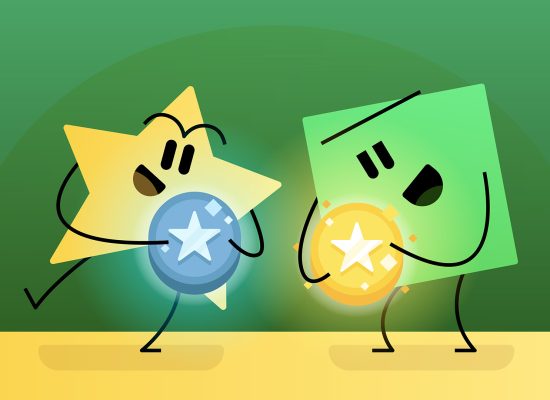
We designed our medal structure around practiced days:
• Bronze → 2 practice days
• Silver → 5 practice days
• Gold → 7 practice days
This means users don’t need to be perfect to feel successful. Even if someone misses days during a challenge, their effort still matters.
That small change dramatically shifts the emotional tone of the experience.
Instead of:
“I failed my streak.”
The system communicates:
“You’ve already made progress. Keep going.”
Turning Progress Into Something Users Can See
One of the biggest problems in mental wellness products is that progress often feels abstract.
Meditation improves users gradually, but behavioral systems need visible reinforcement to help users stay engaged long enough to experience those benefits.
So we designed medals as persistent progress anchors across the product.
Users can:
• Track medal progression during a challenge
• See earned medals in a dedicated medals page
• Unlock and claim medals through interactive reward
flows
• Revisit completed challenges and improve previous
medals later
This transforms challenges from disposable content into long-term progression systems.
A challenge is no longer:
“Something I finished once.”
It becomes:
“Something I can master over time.”
Designing for Return, Not Just Completion
One of the most important behavioral decisions we made was around missed days.
In many apps, missing a day creates friction and emotional drop-off. Users often feel they are “behind,” which reduces the chance they return.
We wanted the opposite.
So instead of forcing users to immediately repair missed days, we prioritized forward momentum.
Users can:
• Continue practicing the current active day
• Return to missed sessions later
• Improve medal quality over time
• Restart challenges without punishment
This creates a more sustainable relationship with consistency.
The system encourages recovery instead of perfection.
That distinction matters.
The Psychology of “Small Wins”
Research around habit formation consistently shows that early success increases long-term adherence.
That’s why Bronze exists at only 2 days. It may seem small, but psychologically it’s extremely important.
A user who earns Bronze quickly starts feeling that they are:
• capable
• committed
• progressing

That emotional shift is critical during the fragile early stage of habit formation.
Small wins create momentum, momentum creates identity, identity creates consistency.
Why the System Needed Emotional Design
Designing the medal system wasn’t only about logic. It was also about emotional pacing.
We studied how products like Duolingo create energy through:
• progression
• visual celebration
• anticipation
• feedback loops
But mental wellness products require a softer emotional tone.
So we balanced motivation with comfort.
For example:
• The mascot never shames users for missing days
• Recovery stays focus on encouragement
• Progress animations reinforce effort, not pressure
• Medal upgrades feel celebratory, not competitive
This helped us create a system that feels motivating without becoming exhausting.

What We Learned
Designing for retention in wellness products is fundamentally different from designing for entertainment.
Users don’t need more pressure, they need systems that help them return consistently without guilt.
The medal system became more than a reward feature.
It became a behavioral framework for:
• consistency
• emotional recovery
• visible progress
• long-term engagement
Most importantly, it helped transform practice from a temporary intention into an ongoing identity.
Because habits are not built through motivation alone, they are built through systems that make returning feel meaningful.