A 15 minutes meditation can be the difference between starting your day stressed and starting it strong. What if handling stress better, thinking more clearly, and feeling more in control didn’t require hours in silence or a total lifestyle reset?
For most people, finding an uninterrupted hour is rare. The day starts with early meetings, unexpected requests, and the constant buzz of notifications. The mental health tools that work best are the ones that fit into these realities.
In this entry you will learn . .
That’s where the daily 15-minute mindfulness practice comes in. Fifteen minutes is long enough to calm the mind and strengthen focus, yet short enough to fit into a lunch break, the quiet before the kids wake up, or the moments before sleep. Over time, those minutes compound into something much greater: a stronger, steadier mind.
Research shows that just 15 minutes of meditation a day is enough to build measurable mental strength. A consistent daily 15-minute mindfulness practice improves focus, lowers stress, and even changes brain structure in areas linked to memory and emotional regulation. These 15 minutes meditation benefits compound over time, helping you stay calmer, think more clearly, and recover faster from challenges.
Can 15 Minutes a Day Build Mental Strength?
The idea sounds almost too simple, but the science is there. Even brief but consistent mindfulness sessions can alter how the brain processes stress and attention.
Harvard researchers found that just eight weeks of short daily meditation increased gray matter density in areas tied to memory, empathy, and emotional regulation. This is not a theoretical improvement; it’s a structural change in the brain.

The key is consistency. Fifteen minutes a day is not meant to be a one-time reset. It’s a practice that builds on itself, helping the mind recover faster after challenges and maintain focus through them. For those who have tried meditation and quit because it felt like “too much,” this is a way to get the benefits without the overwhelm.
What the Research Says
In just 8 weeks, daily mindfulness practice produced MRI-measured brain changes in areas tied to memory and emotional regulation. Short, consistent sessions also improve attention and help reduce stress markers like cortisol. Translation: brief daily practice works — especially when you keep showing up.
What Are the Benefits of 15 Minutes Meditation?
A 15 minutes meditation isn’t a compromise, it’s an efficient, high-impact habit.
With regular practice, many people notice they:
- React more thoughtfully in tense conversations
- Stay focused during long work sessions
- Fall asleep faster after stressful days
- Bounce back quicker from setbacks
Studies back this up. Mindfulness has been shown to reduce symptoms of anxiety and depression, improve attention span, and lower the body’s stress hormone levels. The result is not just feeling calmer in the moment, but being better equipped to handle pressure long-term.
These benefits also carry into physical health, slower heart rates, lower blood pressure, and better sleep patterns, making mental strength a full-body investment.
Does Just 15 Minutes Daily Really Change Your Brain?
Neuroplasticity, the brain’s ability to rewire itself, means that repeated actions, especially ones that require focus, create lasting pathways in the brain.
Even novice meditators show measurable changes after weeks of consistent short practice. Over time, the parts of the brain responsible for attention, decision-making, and emotional control become more active and more connected.
Think of it like exercise: no one expects one workout to transform strength, but steady training builds visible results. A daily 15-minutes mindfulness practice is the mental equivalent of lifting weights; it builds resilience, endurance, and recovery capacity over time.
When 15 Minutes Is Enough And When to Go Further
For most of us, a daily 15-minutes mindfulness practice is the sweet spot. It’s long enough to bring calm, focus, and resilience, yet short enough to actually keep doing. That’s why studies show even brief sessions can trigger changes in the brain’s attention and emotional control systems.
But like any training, there comes a time to stretch. Once those 15 minutes meditation benefits feel natural, some people choose to extend to 20–30 minutes for a deeper dive. Think of it as leveling up — not because 15 minutes isn’t powerful, but because growth often builds on consistency.
The rule of thumb: if 15 minutes fits your life, stick with it. If you’re craving more, add gently, the same way you’d add reps at the gym.
How to Make a Daily 15-Minutes Practice Stick
Fifteen minutes is easy to commit to on paper, but real life can derail even the best intentions. The difference between a habit that fades and one that lasts is structure.
The most successful approaches often include:
- A set time each day, morning coffee, lunch break, or pre-bed wind down
- A guided path so there’s no decision fatigue over “what to do”
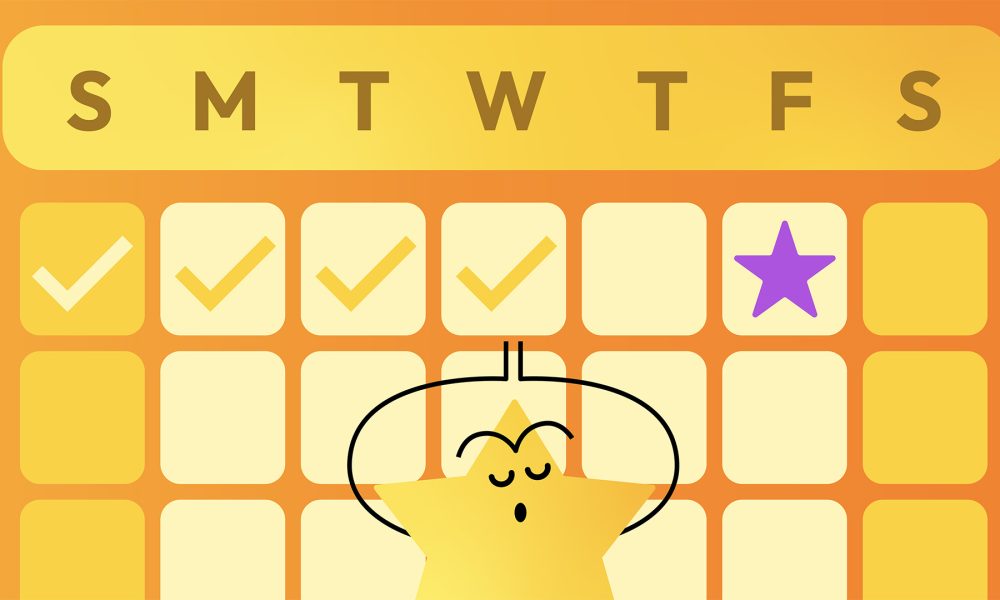
- A visual record of progress, like streaks or completed sessions
- A backup plan, such as streak freezes, for days when schedules collapse

By removing friction and making progress visible, a short daily practice becomes as automatic as brushing teeth.
How to Start a 15-Minutes Session Today
- Set your space (1 min): Sit comfortably; silence notifications.
- Breathe & notice (12 min): Follow breath; when distracted, label “thinking” and return.
- Close & plan (2 min): Reflect briefly and schedule tomorrow’s 15-minutes meditation.

How MyMentalPal Turns 15 Minutes into Daily Mental Strength
MyMentalPal is designed for one thing: helping people make mental fitness a lasting habit.
Instead of leaving users to browse endless content, it offers challenge-based learning, structured programs that guide users through specific skills like focus, resilience, or self-compassion in just 15 minutes a day.
MyMentalPal’s emotional mascots act as supportive companions, keeping engagement high with encouragement and gentle accountability. This approach draws on proven gamification principles that make habit-building more enjoyable and sustainable.
With XP points, streak rewards, and skill-focused challenges, MyMentalPal turns those daily 15 minutes into a clear, measurable win, something users can see, feel, and build on day after day.
Conclusion: The evidence is clear. A consistent 15 minutes meditation routine can sharpen focus, improve emotional resilience, and lower stress in a way that fits into real life. Most meditation programs recommend short daily sessions over occasional marathons, often starting at 10–15 minutes and extending as the habit sticks. That’s exactly how MyMentalPal is designed — daily, guided, bite-size challenges you can actually keep.
It’s not about finding more hours in the day; it’s about using the minutes you have with intention. Start your first 15-minutes challenge today and see how small actions can create lasting strength.
Takeaway
- A daily 15-minutes mindfulness practice is enough to build mental strength.
- 15 minutes meditation benefits include sharper focus, lower stress, and better sleep.
- Even short daily sessions create brain changes linked to memory and emotional control.
- Consistency matters more than length — steady practice compounds over time.
FAQs about daily 15-minute mindfulness practice
1. Is 15 minutes of meditation enough to see results?
Yes. Even a 15 minute meditation can improve focus, reduce stress, and boost emotional resilience when practiced daily. Consistency matters more than session length.
2. What are the benefits of 15 minutes meditation daily?
A daily 15-minute mindfulness practice helps you stay calm in stressful moments, sharpen concentration, fall asleep faster, and recover quicker from setbacks.
3. How long does it take for 15 minutes meditation benefits to show?
Most people notice changes like calmer focus and better sleep within 2–4 weeks of a 15 minute meditation routine; brain-level improvements often appear after 8 weeks.
4. What’s the best time for a daily 15-minute mindfulness practice?
The best time is the one you’ll stick to. Many choose morning to set the tone, mid-afternoon for an energy reset, or evening to wind down before sleep.