You know something about your life isn’t as good as it could be. You feel drained, unfocused, and unhappy as your days pass in a blur of work, scroll, sleep. Every time a new book promises to help you feel happier and take back control, you’re quick to add it to your reading list—but half the time you don’t even retain what you’ve read, much less apply it to your life.
In this entry you will learn . .
That’s the genius of a microlearning meditation challenge like the one we’ve created for The Book of Joy. Shift your mind into the ideal state to learn, absorb the Dalai Lama and Desmond Tutu’s key lessons, and let our experienced teachers guide you through practices you can apply right away.
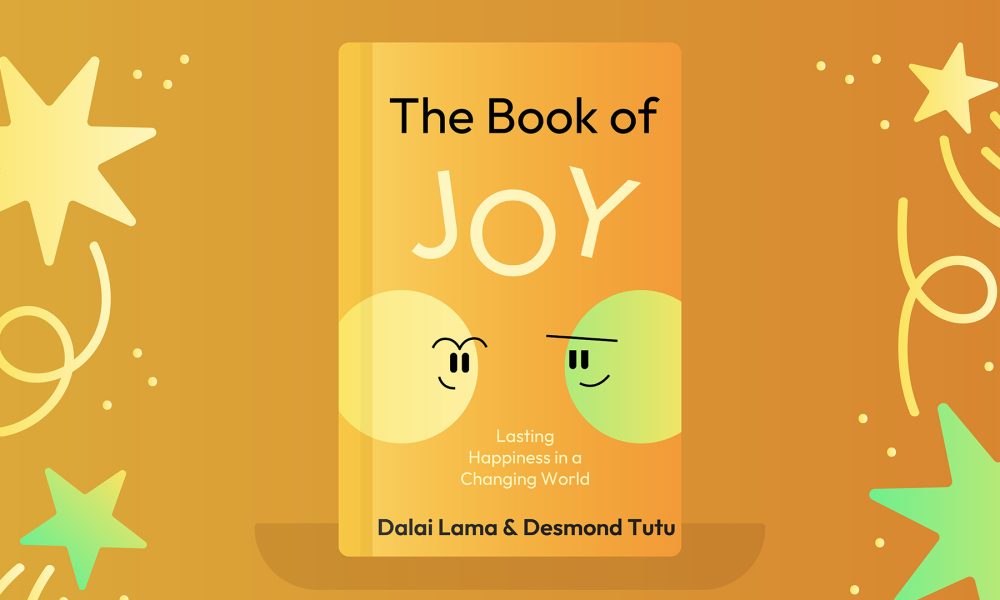
The Book of Joy micro-learning challenge review explores how The Book of Joy—authored by the Dalai Lama, Archbishop Desmond Tutu, and Douglas Abrams—comes to life through myMentalPal’s meditation challenge. In just 15 minutes a day, this program turns the book’s lessons on forgiveness, gratitude, and compassion into short, guided practices you can apply immediately. Unlike a typical book of joy audiobook review or book summary, this experience helps you embody the teachings, not just understand them. It’s a hands-on, joy-building journey designed to help you feel calmer, kinder, and more connected in your daily life.
What is Microlearning (and Why Does It Work)?
Microlearning breaks complex ideas down into their core components, delivering short lessons that fit easily into the pace of modern life. This approach is more in sync with how the brain naturally processes information, which makes it easier to retain what you learn. Instead of cramming tons of content into each session, each lesson focuses on just one key idea.
This method is especially effective when your real goal is changing behavior or building a new habit—because it supports consistency. And when it’s paired with mindfulness, microlearning helps you embody what you’re learning in real time, rather than just mentally cataloging it for later.
Why Meditation Helps You Remember and Apply What You Learn?
Mindfulness meditation brings your attention back to the present, improving focus, enhancing cognitive function, and promoting a calm, relaxed state. When paired with microlearning, it helps shift your brain into its most receptive mode—so you’re not just hearing new ideas, you’re actually absorbing them.

And when those ideas focus on mental fitness or life improvement strategies, you’re doing more than learning—you’re creating a template for new thought patterns and better responses. This format helps you make the most of your limited free time. You might even start to look forward to each day’s practice.
Why we turned The Book of Joy into a Meditation Challenge?
The Book of Joy has made countless “must read” lists, including the 2024 New York Times feature 6 Books Therapists Read Themselves. Part of what makes it so impactful are the extraordinary experiences of the two men at its heart: the Dalai Lama and Archbishop Tutu. Few people are better qualified to speak about accessing joy, even through the hardest and most heartbreaking circumstances.
While the Dalai Lama and Archbishop Tutu come from different spiritual traditions, the mental skills they highlight in the book are practical, easy to fit into your life, and compatible with any belief system. The book differentiates between joy and happiness, defining joy as a calm feeling of well-being that doesn’t require anything special to happen. Just as your body feels vibrant, and strong when it’s cared for, a mentally fit mind naturally returns to joy.
We chose The Book of Joy because mindfulness isn’t meant to be serious or silent. It’s meant to lift you. This book reminds us that joy isn’t found in perfect moments, but practiced in imperfect ones. Through laughter, pain, and reflection, it shows how meditation can be a daily return to lightness even when life is heavy.
What you can expect from The Book of Joy micro-learning meditation challenge?
This microlearning challenge breaks core concepts from The Book of Joy into seven 15-minute sessions. During these sessions, Cynthia—your guide through the challenge—will help you bring your focus to the present and prepare your mind to learn.
As you explore lessons on acceptance, forgiveness, gratitude, and how to work with painful emotions, you’ll be encouraged to examine your feelings as they arise. It’s natural to feel suspicious of or resistant to new ideas. By noticing your responses, you can move through resistance that holds you back and make a conscious choice about how to apply what you learn.
Our instructors draw from their own experiences as well as the book, so each practices helps you integrate new insights and establish habits that make joy more accessible everyday.
Top Three Takeaways From the Challenge
The Book of Joy microlearning meditation challenge is filled with practical, applicable ideas that make it easier to access joy, no matter what.
You’ll learn:
- How to identify joy and adopt practices that help you feel more of it.
- Why forgiveness is about ending your own suffering—not setting yourself up to be hurt again.
- How compassion is essential not only for your own well-being, but for the well-being of society.

Each lesson weaves in quotes and insights from the Dalai Lama and Archbishop Tutu, along with the occasional personal anecdote to help you picture how these practices can fit into your life—even if you’re not aiming for enlightenment. These are our top three takeaways, but you may find other lessons resonate more deeply depending on where you’re at in your own life.

Is this meditation challenge right for you?
If you feel overwhelmed by things you can’t control, and it’s holding you back from what you can…
If you want to stay engaged without sliding into martyrdom…
If you want to radiate goodwill and kindness, knowing your joy is contagious…
This challenge is for you.
You don’t need hours of free time or years of meditation experience—just 15 minutes a day for a week. You can even invite your friends to do it with you through Circle and keep each other accountable as you start shifting your daily experience to include more joy—no audiobook queue required.
Key Takeaways
- Joy is trainable — as the Book of Joy review reveals, happiness isn’t luck; it’s a skill built through daily practice.
- Micro-learning meditation makes complex ideas simple. In just 15 minutes a day, you can embody forgiveness, gratitude, and compassion instead of just reading about them.
- The Book of Joy audiobook review shows how hearing the Dalai Lama and Archbishop Tutu’s voices adds warmth and connection, deepening your understanding.
- Through the micro-learning challenge, these timeless lessons turn into small, actionable habits that reshape how you react, recover, and reconnect.
- True joy isn’t about avoiding pain—it’s about training your mind to return to calm, kindness, and curiosity no matter what life brings.
In a world full of noise, The Book of Joy micro-learning challenge reminds you that peace isn’t found by escaping reality—it’s built by practicing presence, one breath and one act of compassion at a time.
FAQs about The Book of Joy Micro-Learning Challenge Review
1. What is The Book of Joy micro-learning challenge?
The Book of Joy micro-learning challenge is a 7-day guided meditation experience by myMentalPal, transforming lessons from The Book of Joy into bite-sized practices that help you build joy habitually.
2. Is The Book of Joy audiobook worth listening to?
Yes. Many book of joy audiobook reviews praise how Douglas Abrams’s narration and voice actors enrich the dialogue between the Dalai Lama and Archbishop Tutu, making the teachings more emotionally resonant and memorable.
3. What are the main lessons from The Book of Joy?
At its core, The Book of Joy teaches eight pillars (Perspective, Humility, Humor, Acceptance, Forgiveness, Gratitude, Compassion, Generosity) and shows how to work through obstacles such as fear, grief, anger, and loneliness in order to cultivate lasting joy.
4. How does the micro-learning challenge help me internalize The Book of Joy better than reading or listening alone?
Unlike a standard book of joy review or summary, the micro-learning challenge breaks down the book’s concepts into short, actionable meditations you can practice daily—helping you actually apply forgiveness, gratitude, and compassion instead of just understanding them.