If you’ve ever wondered how to fall asleep quickly, you are not alone. Many people struggle to fall asleep, stay asleep, and get adequate amounts of rest. Sleep is essential for your overall well-being, influencing your physical, mental, and emotional health. If you’re lying awake at night wondering how to fall asleep fast, incorporating falling asleep meditation into your nightly routine can be a game-changer. This practice not only helps you fall asleep quickly but also enhances the quality of your rest, leading to better health outcomes.
In this entry you will learn . .
Falling asleep meditation offers a natural way to improve sleep habits without the side effects that can come with sleep medications. Sleep meditation can teach you how to fall asleep fast, offering a holistic approach to enhancing your long-term sleep quality and health.
The Challenge and Effects of Sleep Disorders
Many adults struggle with falling asleep, staying asleep, and establishing a consistent sleep routine. Approximately one-third of adults report not getting enough rest and often feel fatigued. High levels of stress, anxiety, and racing thoughts make it difficult to wind down at night. In our fast-paced world, it’s common to stay “on the clock,” constantly checking phones and emails well into the evening. Although we may have been able to get away with all nighters as a teenager or college-aged student, these habits are no longer sustainable and negatively impact our health as we age.
“The American Academy of Sleep Medicine and the Sleep Research Society recommends that adults sleep at least 7 hours a night; over one-quarter of adults do not meet this recommendation. Signs of good sleep quality include taking less time to fall asleep and not waking up often or for long period.”
According to the NIGMS, long-term sleep loss and not keeping a steady circadian rhythm increases the risk of obesity, diabetes, mood disorders, cancer, weakened immune function, and can worsen pre-existing health conditions.
How Meditation can Support Your Sleep
We’re not sharing this information to increase your anxiety about poor sleeping habits, but rather to encourage you to explore tools like meditation to support better sleep and gives you some answers about how to fall asleep fast. The more you worry about not sleeping, the harder it becomes to break the cycle of insomnia. Meditation can help you notice your stressful thoughts without becoming overwhelmed by them.
By addressing both mental anxiety and physical tension, sleep meditation promotes a sense of calm that prepares the body and mind for rest. Research supports that meditation relaxes the mind, reduces stress, and improves sleep quality. Techniques such as mindful breathing, progressive relaxation, and guided imagery can create an environment where it’s easier to relax and fall asleep fast.
Effective Meditation Techniques to Fall Asleep Faster
Effective Meditation Techniques to Fall Asleep Faster
Incorporating specific meditation practices into your routine can significantly reduce the time it takes to fall asleep. Here are some techniques to consider:
- Guided Sleep Meditation: Utilizing guided sessions can help focus your mind and ease you into sleep. Many apps and online platforms offer guided meditations specifically designed to help you fall asleep quickly.
- Mindful Breathing Exercises: Concentrating on your breath can calm the nervous system. Techniques like the 4-7-8 breathing method involve inhaling for 4 seconds, holding for 7, and exhaling for 8, promoting relaxation and aiding in falling asleep faster.
- Progressive Muscle Relaxation: This involves tensing and then relaxing different muscle groups, releasing physical tension and preparing the body for sleep.
Avoid Frustration in Bed: How to Use Meditation Effectively

Starting a meditation practice right before bed can sometimes be counterproductive, especially for beginners. Dr. Jason Ong, a mindfulness and sleep expert, emphasizes that meditating earlier in the day is often more beneficial to start. When struggling to sleep, many beginners mistakenly think that the goal of meditation is to “quiet” the mind. When they try this in bed and fail, it can lead to frustration.
Meditation isn’t about eliminating thoughts—it’s about developing awareness and compassion for the mind’s natural activity. Distractions and thoughts are part of the practice, not obstacles.
It’s common to feel like you’re not “doing it right.” The goal, however, is not to turn off your mind but to lower your emotional arousal so that you can accept your thoughts without stress. Recognizing that your brain will stay active at night can help you approach meditation—and sleep—with a more relaxed mindset. Instead of trying to silence your thoughts, the focus should be on relaxation, which can help set the stage for better sleep. For new meditators, this relaxation might not come right away during your meditation practice.
When beginning, it’s best to practice meditation during times when you’re already calm. Once you’ve built a foundation, you can start using meditation during anxious moments. It might feel uncomfortable at first to meditate while anxious, but as you grow more familiar with the practice, it can become an effective tool for managing stress and anxiety.
If you have sleep problems, you can read “Meditation for Sleep Problems: Can Meditation Help You Sleep?“
Pre-Bed Meditation Practices: Falling Asleep Meditation
If you’re too busy during the day to meditate, consider dedicating 30 minutes before bed to a calming routine rather than meditating in bed. This could involve turning off screens, dimming the lights, and doing gentle movements to connect with your body before sleep.
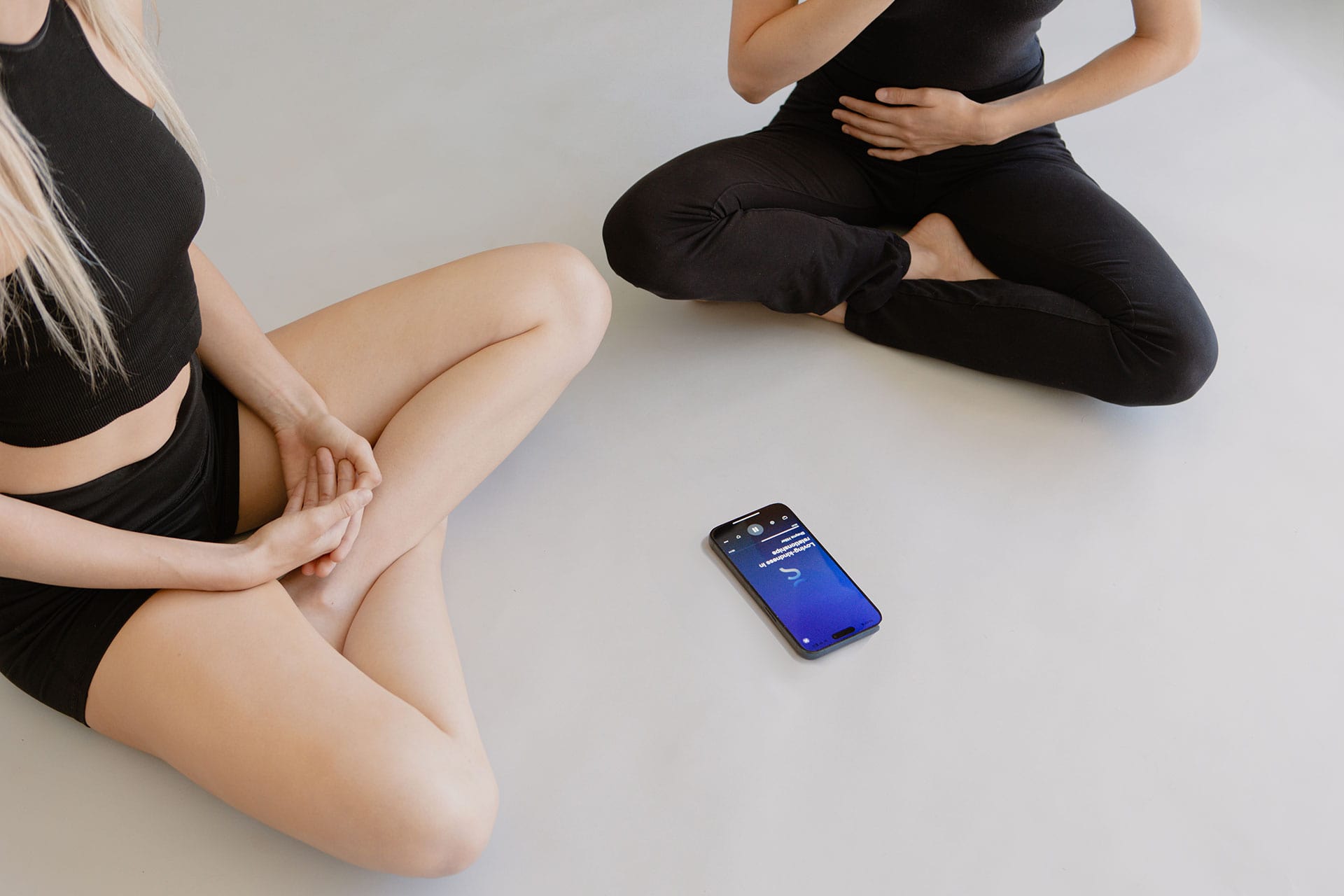
Try the winding down before bed ritual to encourage your body to enter a state of relaxation before entering your bed. By prioritizing a nighttime meditation routine before you’re actually in bed, you can reduce the amount of artificial blue light that comes from your phone. After you turn on your falling asleep meditation, put your phone down and use the auditory experience to relax. Then the meditation will turn off on its own and you can leave your phone away from your bed. We recommend keeping your phone on night mode to reduce your brightness and remove any distracting notifications. In this way you can fall asleep faster and healthier.
How to Fall Asleep Sooner: The Importance of Sleep Hygiene
Struggling to fall asleep fast is a common issue, but establishing a consistent sleep hygiene routine can significantly improve your sleep quality over time. Here are some strategies to help you drift into restful sleep more easily:
- Limit Evening Stimulants: Avoid consuming caffeine and other stimulants in the late afternoon and evening, as they can interfere with your ability to fall asleep fast.
- Create a Relaxing Environment: Ensure your bedroom is free from artificial light and clutter. Consider using earplugs or white noise machines to minimize disturbances.
- Engage in Mindfulness and Movement: Incorporate mindfulness practices and regular physical activity into your daily routine to reduce stress and promote relaxation.
- Establish a Pre-Bedtime Routine: Activities such as taking a warm bath or washing your feet in warm water can signal to your body that it’s time to prepare for sleep.
- Manage Racing Thoughts: If your mind is active at bedtime, try journaling to clear your thoughts. Writing down your concerns can help alleviate anxiety and promote relaxation.
- Consistent Sleep Schedule: Going to bed and waking up at the same time each day, including weekends, helps regulate your body’s internal clock, facilitating better sleep.
- Limit Screen Time Before Bed: Exposure to screens can interfere with your ability to fall asleep quickly. Establish a screen-free period at least an hour before bedtime to signal your body it’s time to wind down.
Remember, consistency is key. Choose two or three habits that resonate with you and stick with them. Research suggests it takes around three months to solidify a new habit, so be patient with yourself. Over time, these practices can lead to significant improvements in your sleep quality and overall well-being.
Managing Sleep Frustration: Using Meditation in the Moment
Despite our best efforts, there will be nights when sleep doesn’t come easily or we are unable to prioritize a pre-bedtime routine. In those moments of insomnia, meditation can be a valuable tool as well. Acknowledge your frustration without judgment and try a short, calming meditation to ease your mind. Simple breathing exercises or a body scan can gently guide your thoughts away from stress and help shift your body into a more restful state.
If you feel stuck in a cycle of frustration, get out of bed, have a glass of water, and try the “Return to Sleep After Waking in the Night” meditation in a different space. When you feel more relaxed, return to bed and give sleep another try. The key is to reduce emotional tension and reset your mindset so that sleep comes more naturally.

Building Consistent Sleep Routine with Siddha
Browse our sleep meditation page to discover the best falling asleep meditations, sleep routine practices, and deep relaxation meditations. Siddha can teach you how to fall asleep fast by building a consistent sleep meditation practice. By integrating these meditation techniques and establishing a consistent bedtime routine, you can transform your sleep patterns and fall asleep faster. Explore our guided meditations designed to help you fall asleep quickly and embark on a journey to restful nights and refreshed mornings.
1. How can I fall asleep fast without medication?
Incorporating relaxation techniques such as falling asleep meditation, maintaining a consistent sleep schedule, and creating a calming bedtime routine can help you fall asleep quickly without relying on medication.
2. Does meditation really help in falling asleep faster?
Yes, meditation can calm the mind and reduce stress, making it easier to fall asleep sooner. Practices like mindful breathing and guided sleep meditations are particularly effective.
3. What are some quick methods to fall asleep?
Techniques such as the 4-7-8 breathing exercise, progressive muscle relaxation, and ensuring a dark, quiet sleep environment can help you fall asleep fast.
4. How does screen time affect my ability to fall asleep?
Exposure to screens before bedtime can disrupt your circadian rhythm, making it harder to fall asleep quickly. Limiting screen time in the evening supports better sleep quality.