Have you ever had one of those days when everything that can go wrong… does? Your car dies on the way to work, making you late to an important meeting. You’re frantically trying to catch up when an ominous “We need to talk” text from your partner pops up. Then you spill coffee on your favorite shirt right before a one-on-one with your manager. Instead of doing something — anything — to get back on track, you feel frozen and numb. Stuck in an anxiety shutdown.
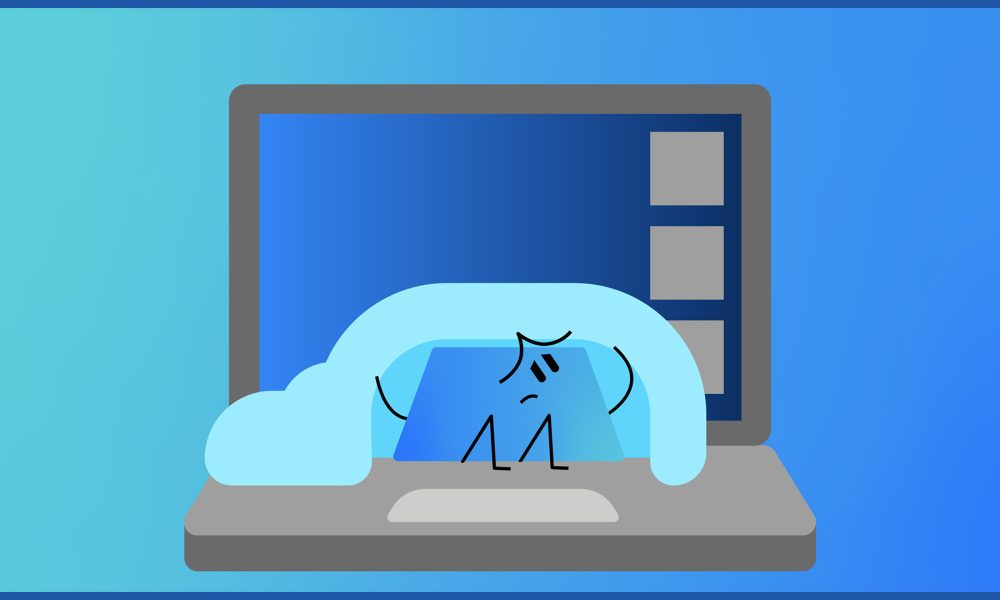
Just like a computer restarts when it overheats, your mind can force you to pause when it’s processing too much. When your nervous system gets overwhelmed by anxiety, it can enter a state called dorsal vagal shutdown, slowing your body’s functions and leaving you feeling frozen or numb. But what is anxiety — and how can you manage it so you don’t find yourself “rebooting” at the worst possible moment?
Anxiety Defined:
According to the American Psychological Association Anxiety is “is characterized by feelings of tension, worried thoughts, and physical changes. Anxiety is considered a future-oriented, long-acting response broadly focused on a diffuse threat.”

What is Anxiety Shutdown?
Anxiety shutdown is a defense mechanism where the brain “freezes” under pressure. It can feel like numbness, disconnection from reality and sluggishness. Overwhelm makes it hard to think, much less move.
Because Anxiety shutdown looks like disengagement, it’s often misunderstood – even by the person experiencing it. Anxiety shutdown doesn’t reflect a lack of discipline, motivation, or commitment. It’s an evolutionary survival mechanism, designed to protect you from a threat your body believes can’t be outrun or overpowered.
What is Happening In Your Body During Anxiety Shutdown?
When your body senses extreme stress, it activates what’s called the HPA axis. This system signals the release of stress hormones like cortisol and adrenaline. For some people, the freeze state is their default response when the HPA axis is triggered, while others experience anxiety shutdown only in specific situations.
Just like you might stock up on essentials and shutter your windows before a big storm, your body protects itself by conserving energy. It slows down functions like digestion, speech, and even some muscle responses.
Physical symptoms of anxiety shutdown can include numbness, tingling, muscle tension, or a heavy, rooted feeling that makes it hard to move. You might also feel detached from your body, as if your mind is a balloon drifting just above it all. Anxiety shutdown may leave you feeling numb and detached, but it is temporary and you can recover.
Does Everyone Shut Down When They Are Overwhelmed? The Fight, Flight, Freeze Response Explained
How you respond to anxiety and overwhelm is shaped by your background, your personality, and how you see yourself. There are four common responses when the HPA axis is triggered: fight, flight, freeze, or fawn.
Have you ever met someone who seems angry at the whole world when they’re stressed? That’s their nervous system defaulting to a fight response.
While anyone might freeze up occasionally in overwhelming situations, underlying conditions like ADHD, PTSD, or a history of trauma can make anxiety shutdown more common.
How Is Anxiety Related to Emotional Shutdown?
When anxiety becomes intense, it can flood your system with more information than it can handle, leading to emotional shutdown. Prolonged stress is one of the biggest contributors to anxiety. When life feels overwhelming, inescapable, or impossible to resolve, you might shut down emotionally — even if you normally respond to fear with fight or flight.
The anxiety that causes emotional shutdown isn’t always a reaction to a specific life event. It can also stem from underlying mental health conditions like generalized anxiety disorder, PTSD, or depression. Mental fitness can help you build resilience to stress and develop healthier coping strategies for life’s challenges, but it’s not a replacement for therapy or medical care. If you find yourself worrying more often than not, or if anxiety shutdowns are making it hard to enjoy your life, combining mental fitness with professional mental health support can help you feel more like yourself again.
How to Stop Shutting Down Emotionally When You’re Overwhelmed?
Wouldn’t it be great if you could wave a magic wand and never experience an emotional shutdown again? While there’s no instant cure, a regular mental fitness practice — along with some lifestyle changes — can help you face challenges without feeling the need to shut down.

- Practices that build focus can make daily tasks feel more manageable and help you prioritize when stress hits.
- Meditation and mindfulness not only relieve stress, but also train you to bring your mind back to the present moment, quiet anxious thoughts, and move forward instead of shutting down.
- Prioritizing your physical health is also key to building resilience. Getting enough sleep, staying hydrated, and eating nourishing meals give your body the resources it needs to support you during stressful times.
Remember that shutting down in the face of stress isn’t always bad. Sometimes, that mental “reboot” is exactly what you need to see a situation differently. The goal isn’t to eliminate your fear response entirely — it’s to strengthen your ability to move through life’s ups and downs without letting emotional shutdown take over.

How Mindfulness Helps with Anxiety Shutdown
Studies show that mindfulness and meditation not only help shift your thoughts away from anxious patterns that lead to overwhelm, but also activate the parasympathetic nervous system — the part of your body responsible for rest, recovery, and a sense of calm.
Breath- and body-focused practices are especially effective at calming your nervous system. Developing self-compassion also disrupts negative patterns like perfectionism, self-criticism, and catastrophizing — helping you respond to stress with clarity.
A daily mental fitness routine can bring all of these elements together, increasing your emotional awareness, reducing reactivity, and helping you recognize the early signs of overwhelm before it escalates into an anxiety shutdown.
The UnFck Your Brain micro-learning challenge from myMentalPal is packed with practices to retrain your brain’s defense mechanisms and make resilience part of your daily routine.
Experiencing an anxiety shutdown can feel like your mind abandons you at the moment you need it most. While frustrating, it’s actually your nervous system’s way of protecting you from what it perceives as an overwhelming threat.
Prioritizing daily mental fitness with an app like myMentalPal can help you cope with stress more effectively, recognize when you’re on the verge of shutting down, and develop the skills to defuse anxiety before it takes over.
Take your free mental fitness assessment today and let myMentalPal help you train your mind to thrive, not just survive.
Key Takeaways
- Anxiety shutdown is the body’s “freeze” response when stress and overwhelm become too much.
- Symptoms include numbness, emotional shutdown, disconnection, and slowed reactions.
- Not a lack of willpower — anxiety shutdown is an evolutionary survival mechanism.
- Overwhelm anxiety can trigger shutdown more often if you live with ADHD, PTSD, or chronic stress.
- Practices like mindfulness, meditation, sleep, and self-compassion can reduce shutdowns and build resilience.
FAQs about Anxiety Shutdown
1. Why do I shut down when overwhelmed by anxiety?
You shut down when overwhelmed by anxiety because your nervous system enters a dorsal vagal shutdown, a built-in survival response that freezes you—numbing your body and slowing your mind. It’s not a loss of motivation; it’s your body’s way of protecting itself when overwhelm anxiety becomes too intense.
2. What are the symptoms of emotional shutdown or anxiety shutdown?
Symptoms of anxiety shutdown or emotional shutdown often include numbness, disconnection from reality, tingling, muscle tension, feeling rooted in place, slowed reactions, and a sense of detachment—like your mind has “rebooted” to guard against overwhelming stress.
3. Is shutting down under stress a sign of anxiety or a mental health condition?
Shutting down under stress is typically an anxiety shutdown, an evolutionary survival mechanism—not a lack of discipline. That said, conditions like ADHD, PTSD, or chronic stress can make this freeze response more frequent or intense. Recognizing it as a response to anxiety helps reduce self-blame and opens the door to resilience-building strategies.
4. How can I stop emotional shutdown when I’m overwhelmed?
To reduce emotional shutdown when overwhelmed, build daily mental fitness through practices like mindfulness, meditation, breath- and body-focused exercises, and self-compassion. Supporting your physical health—with quality sleep, hydration, and nourishing food—also strengthens your ability to weather anxiety shutdown and stay present.